

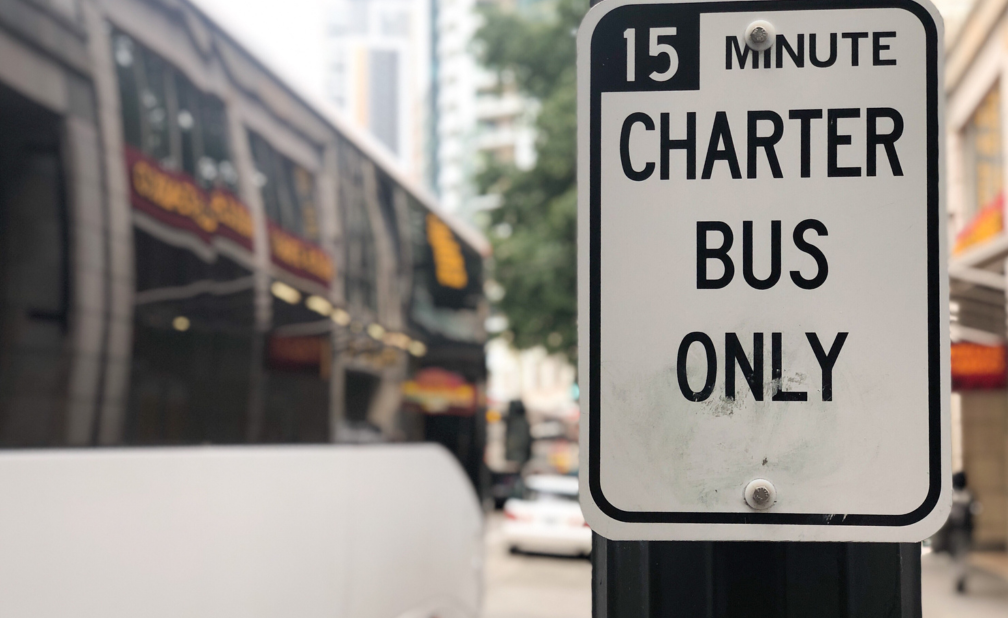

Charter operations, whether boats, buses, vans, or private aircraft, run on a fundamentally different booking model than fixed-departure tours. There is no published schedule for a customer to browse and pick from. Instead, a customer requests a specific date, time, group size, and sometimes a custom itinerary, and your team quotes, confirms, and manages that booking as a one-off arrangement, even if the underlying vehicle or vessel also runs scheduled public tours during other parts of the week.
This guide covers what charter operators, across marine, ground transport, and aviation, should look for in booking software, and where standard fixed-departure booking platforms tend to create friction for this business model.
Why Charter Bookings Are a Different Product
Availability is inventory-based, not schedule-based. Instead of a published list of departure times customers pick from, a charter business needs to check whether a specific vessel, vehicle, or aircraft is free on a requested date and time, often alongside other charter requests and any scheduled public tours using the same asset. Your booking system needs to manage this as resource availability, not a fixed timetable.
Quoting is often a manual, negotiated step. Unlike a fixed-price public tour, charter pricing frequently depends on duration, group size, add-ons (catering, specific routes, special requests), and sometimes negotiation. Your software needs to support a quote-and-confirm workflow, where a request comes in, your team builds a custom quote, and the booking only becomes firm once the customer accepts and a deposit is paid, rather than an instant-book flow built for fixed-price public products.
Deposits and balance payments are standard, not optional. Charter bookings typically require a deposit at confirmation and a balance due closer to the charter date, sometimes with a cancellation policy that scales based on how close to the date a cancellation occurs. Fixed-departure activity software often assumes full payment at time of booking, which does not match how charter businesses actually operate.
The same asset often serves both charter and scheduled public bookings. A boat that runs public whale watching tours on weekdays might also be available for private charter on weekends, or a boat that mostly does charter work might fill open dates with public tours. Your system needs to manage availability across both booking types on the same underlying resource without creating a double-booking risk.
Core Features for Charter Operations
Resource-Based Availability and Booking Requests
Your platform should let you define your chartered assets (specific vessels, vehicles, or aircraft) as resources with defined availability, and support an inbound request workflow where a customer submits a date, group size, and any special requirements, which your team then reviews and responds to with availability confirmation and a quote, rather than forcing an instant, fixed-price booking flow.
Custom Quote Building and Approval Workflow
Look for a system that lets you build a custom quote tied to a specific charter request, incorporating base charter rate, duration, add-ons, and any applicable taxes or fees, and then send that quote to the customer for approval and deposit payment, all within the same platform rather than requiring a separate quoting tool disconnected from your actual booking and payment system.
Deposit and Balance Payment Scheduling
Your booking software should support a deposit-now, balance-later payment structure natively, with automated reminders sent to the customer as the balance due date approaches, rather than requiring your staff to manually track which charters still owe a balance and follow up individually. A scaling cancellation policy tied to how close to the charter date a cancellation occurs (full refund up to 30 days out, partial refund inside 14 days, no refund inside 72 hours, for example) should also be configurable directly in the system.
Shared Resource Calendar Across Charter and Public Bookings
If the same vessel or vehicle serves both charter and scheduled public tour bookings, your system needs a unified calendar view showing both booking types against that asset's availability, so your team can see at a glance whether a requested charter date conflicts with an already-scheduled public tour, and vice versa, without needing to manually cross-check two separate systems.
Custom Itinerary and Add-On Management
Charter customers frequently request custom elements: a specific route, an onboard meal, a special occasion setup (a proposal, a corporate event, a family celebration). Your platform should let you attach custom line items and notes to a specific charter booking that your operations team can reference on the day of the charter, rather than relying on a separate email thread or phone call notes disconconnected from the actual booking record.
Distribution Considerations for Charter Businesses
Charter bookings generally come through different channels than fixed-departure tours. Direct website inquiries, referral relationships with event planners and travel agents, and word of mouth tend to dominate over OTA marketplace listings, though some charter operators do list a "private charter" product on OTAs as a lead generation tool even if the actual booking and quoting process happens off-platform after the initial inquiry.
If you do use OTAs for charter lead generation, confirm your booking system can handle the resulting inquiry as a lead that flows into your quote workflow, rather than as an instant-book product, since charter bookings almost never work as true instant-book transactions given the pricing and availability negotiation involved.
For event planners and travel agents who send you recurring charter business, a reseller or agent portal that lets trusted partners check availability and submit charter requests directly, without needing to call or email your office every time, can meaningfully speed up your response time on repeat business relationships.
Pricing Structures for Charter Services
Most charter operators use some combination of a base rate for a defined duration (a four-hour charter, a full-day charter), an hourly rate for extensions, and add-on pricing for catering, special requests, or premium routes. Group size sometimes affects pricing directly (a larger group requiring a bigger vessel or vehicle) and sometimes does not (a flat rate regardless of headcount within the asset's capacity).
Seasonal and day-of-week pricing variation is also common, with weekend and holiday charters commanding a premium over weekday rates. If your charter business sees this kind of demand pattern, confirm your quoting tool can apply the correct rate automatically based on the requested date, rather than requiring your team to manually remember and apply seasonal rate adjustments for every quote.
Managing Multi-Stakeholder Charter Bookings
Corporate events, weddings, and other significant occasions booked as charters often involve multiple points of contact: an event planner coordinating logistics, a bride or groom making final decisions, a corporate admin handling payment. Your booking system should support attaching multiple contacts to a single charter booking, with clear notes on who has decision-making authority for what, so your operations team is not caught between conflicting instructions from different stakeholders on the day of the event.
Guest Communication for Charter Bookings
Because charter bookings often involve a longer lead time between booking and the actual event date compared to a same-week fixed-departure tour, automated pre-charter communication matters for confirming final details. A reminder sequence that confirms final headcount, any special requests, boarding or pickup location, and weather contingency plans in the days leading up to the charter date reduces last-minute surprises for both your team and the customer, and this works the same way as automated guest communication tools used for public tours, just triggered off a longer lead time appropriate to charter booking patterns.
Reporting Priorities for Charter Operators
Charter utilization rate, meaning how many of your available charter dates actually get booked, is one of the more useful metrics for this business model, since it directly informs whether you should be filling open charter dates with scheduled public tours instead, or whether you need to invest more in charter-specific marketing and referral relationships.
Average charter value and add-on attachment rate (how often customers add catering, premium routes, or other upsells) also matter for revenue planning, since charter businesses often have more room to grow average booking value through upsells than fixed-price public tour products do.
Insurance, Liability, and Special Event Documentation
Charter bookings, particularly for weddings, corporate events, and other significant occasions, often carry additional insurance and liability documentation requirements beyond a standard tour waiver. Event insurance certificates, alcohol service permits if catering includes a bar service, and sometimes venue-specific liability documentation for the charter destination all need to be tracked and confirmed before the charter date. If your booking system can attach and track required documents against a specific charter booking, with a clear status showing what has been received and what is still outstanding, your operations team has one place to confirm everything is in order rather than checking a separate compliance folder or email chain days before a high-stakes event.
This matters more for charter than for standard scheduled tours because the stakes of a documentation gap are higher. A missing waiver on a public whale watching tour is a minor administrative gap. A missing insurance certificate discovered the morning of a corporate charter event, with a client's executives already en route, is a genuinely serious operational failure that a well-organized booking system should help you avoid entirely.
Coordinating Staff and Crew for Charter-Specific Requests
Charter bookings frequently require different staffing than your standard scheduled departures, whether that means an additional server for catering, a specific captain requested by a repeat client, or extra crew for a larger private group than your standard public tour capacity. Your booking system should let you assign and track staff specifically against a charter booking, separate from your standard recurring schedule staffing, so a charter with unusual staffing needs does not get lost in your general crew scheduling process and result in being short-staffed on the day of an important private event.
Common Mistakes When Choosing Software for This Category
Trying to force charter bookings into an instant-book, fixed-price model. Charter pricing and availability almost always require a quote-and-confirm step, and a platform that cannot support this workflow will push your team back toward managing charter requests over email and phone, disconnected from your actual booking system.
Not accounting for shared asset scheduling with public tours. If the same vessel or vehicle serves both charter and scheduled tours, a system that cannot show both booking types on one unified calendar creates a real double-booking risk.
Underestimating deposit and balance payment complexity. A platform built around full payment at time of booking will require workarounds for a charter business's standard deposit-then-balance payment structure, and those workarounds usually mean manual tracking outside the system, which increases the risk of a missed balance payment going unnoticed until the charter date is close.
Overlooking multi-stakeholder booking needs. Significant occasion charters often involve several points of contact, and a system that only supports a single customer record per booking makes it harder to manage communication cleanly when a planner, a client, and a payer are three different people.
Getting Started
Map out a recent, fairly typical charter booking from initial inquiry through final payment and the day of the event, noting every manual step your team currently takes (quoting, deposit collection, balance follow-up, day-of logistics communication). Bring this real example to any vendor demo and ask them to show you how their system would have handled each of those steps.
For more on how charter work intersects with scheduled transport, see our passenger transport reservation guide and our intercity bus reservation software guide, both relevant if your charter business also runs any scheduled route service alongside private charter bookings, since the underlying resource scheduling challenges of managing shared vehicles across two different booking models are very similar regardless of vehicle type. If your charters are marine-based, our ferry and boat reservation software guide covers vessel-specific considerations that overlap significantly with charter operations, including vessel capacity documentation and safety equipment requirements that often factor into charter insurance and permit compliance as well.
Frequently Asked Questions
Can one system really handle both instant-book public tours and quote-based charter requests?
Yes, provided the platform is built to support both models on the same underlying resource calendar. This is worth testing specifically during a demo, since some platforms handle one model well and treat the other as an afterthought.
How should I handle a charter customer who wants to negotiate the quoted price?
Your software should let your team edit a quote and resend it with updated pricing before the customer accepts, keeping a clear record of the final agreed terms tied to the booking, rather than negotiating over a separate email thread that is not connected to your actual booking record.
What is a reasonable deposit and cancellation policy structure for charters?
This varies by business and asset type, but a common structure is a deposit of 25 to 50 percent at confirmation, with the balance due 7 to 14 days before the charter date, and a cancellation policy that scales refund percentage based on how far out the cancellation occurs. Whatever structure you choose, make sure your software can enforce and automate it consistently.
Do I need a separate CRM for managing charter leads and repeat corporate clients?
Not necessarily, if your booking platform includes enough contact and booking history tracking to see a customer's past charter bookings, preferences, and any special requirements noted from previous events. A dedicated CRM becomes more worth considering if your charter business has grown complex enough that sales pipeline tracking, not just booking history, has become a real operational need, particularly if you have multiple staff members handling inbound charter inquiries and need visibility into who is following up on which lead and at what stage of the quoting process each conversation currently sits.
How far in advance should balance payment reminders go out for a typical charter booking?
Most charter operators find that a reminder sent 10 to 14 days before the balance due date, with a follow-up closer to the deadline if payment has not been received, strikes a reasonable balance between giving customers enough notice and creating urgency without feeling like harassment. Whatever cadence you choose, automating it through your booking system removes the risk of a staff member forgetting to follow up on a specific account during a busy week, and it keeps the tone of the reminder consistent and professional regardless of which staff member originally handled the booking.
Ultimately, charter operations reward a booking platform that treats every reservation as a custom transaction rather than a standardized product, while still giving you the reporting and calendar visibility to run the business efficiently at scale. The operators who struggle most with software in this category are usually the ones trying to force a fixed-departure tool into a fundamentally negotiated, resource-based booking model. Choosing a platform built to handle that distinction from the start saves considerable operational friction as your charter volume grows, and it puts your team in a position to say yes to more custom requests rather than turning away business that does not fit neatly into a rigid, fixed-departure booking model.
Related Posts

Frequently Asked Questions
No. Zaui’s pricing is fully pay-as-you-go. You aren’t locked into any long-term contract. In fact, leading platforms emphasize this flexibility. Similarly, Zaui lets you start and stop anytime. You can change or cancel your plan freely, so you only pay for what you use.
Absolutely not. Zaui’s pricing is 100% transparent. We disclose all fees up front with no surprise add-ons or “sneak-in” charges. In fact, Zaui’s plans include all core features “without additional fees”. Industry experts note that hidden fees undermine trust so we avoid them entirely. All costs are clearly outlined in our pricing, and there are no extra setup charges or undisclosed surcharges at checkout.
Zaui integrates with major payment gateways (e.g. Stripe) so you only pay standard credit-card processing rates (roughly 1.9%+$0.30/transaction) and we don’t mark them up. Only the published platform commission is added on bookings. You also have full control over who pays the commission, we let you decide whether to absorb booking fees or pass them on to customers. In short, you’ll only pay the transparent booking commission and normal gateway fees, nothing extra.
Your onboarding and support are included in the price. We provide white-glove setup help and ongoing 24/7 support at no additional cost. Our dedicated customer-success team will guide you through every step, ensuring a smooth launch. You won’t pay extra for training or service other than the onboarding fee; it's all built into your plan.
You can schedule a free demo with our team. Our Zaui ninjas will walk you through pe how Zaui can work for your business and highlight opportunities to grow with our advanced features all without any upfront payment. This way, you can feel confident it’s the right fit before making a commitment.
Of course. Zaui’s plans are fully flexible. You can upgrade or downgrade at any time to match your needs, without penalties. You can move to a higher tier or back down easily, and your billing adjusts automatically.
No. Zaui does not charge its commission on offline/manual bookings. “No fees on offline bookings” You only pay the commission when a booking is processed online through our system. Manual reservations (or bookings from partner channels we set up for you) incur no extra platform fee. (30% or less)
All of Zaui’s core features are included in your plan at no extra charge. We believe in value and transparency: Zaui provides over 15 advanced features (Google Things to do, reporting tools, marketing tools, reports, etc.) at no additional cost. Many competitors charge extra or require higher plans for the same features, but with Zaui you get the full suite of tools in one package. Any optional add-ons (if any) will always be clearly listed and optional there are no surprise paid upgrades for standard features.
Each Zaui plan is designed for clarity and fairness, following industry best practices. You can trust that our pricing is transparent and flexible, with the support you need built in.
Extra accounts- unlimited agents, resellers, user
